2026 Vacuum Cleaner Buying Guide

Levoit, Cosori, Etekcity Official Store
2026 Buying Guide: How to Choose the Right Vacuum Cleaner for Your Home
By VeSync
May 21, 2026 | 4 min read
Learn how to choose the ideal vacuum cleaner by comparing suction power, runtime, filtration, noise level, and overall cleaning performance based on your household needs.
Why Choosing the Right Vacuum Type Matters
A clean home is about more than appearance. It contributes to healthier air quality, fewer allergens, and a living space that feels more comfortable and enjoyable every day.
Every household has different cleaning requirements depending on home size, flooring, pets, and daily routines. For example, a small apartment with hardwood floors requires a very different solution than a multi-story home with thick carpeting and heavy pet shedding.
Taking these factors into account before purchasing helps you avoid overspending, prevents buying a model that falls short of your needs, and ultimately makes cleaning easier and more efficient.
What Type of Vacuum Cleaner Fits Your Home?
Understanding the main categories of vacuum cleaners is the first step toward making a smarter and more practical purchase decision.
Canister Vacuum Cleaners
Canister vacuum cleaners remain a popular option for homeowners who want strong, consistent suction across multiple floor types. The motor and dust container are housed inside a separate rolling canister, while the flexible hose and wand provide greater precision and reach during cleaning.
These models work especially well for deep cleaning, furniture, upholstery, and larger homes with mixed surfaces.
Their main drawbacks are storage and maneuverability. Canister vacuums are typically larger, require more storage space, and can feel less convenient to move around quickly.
Upright & Corded Vacuum Cleaners
Upright vacuums have long been a trusted choice for homes with carpeted floors. Because they are corded, they deliver stable and reliable suction throughout the entire cleaning session.
They are particularly effective on thick or high-pile carpets where dirt and debris settle deep within the fibers.
However, corded upright models may feel heavier and less flexible. The power cord limits movement, and navigating stairs or tight furniture layouts can sometimes be challenging.
Cordless Vacuum Cleaners
Cordless vacuum cleaners have become one of the most popular solutions for modern households. Without a power cord to manage, they allow you to move freely between rooms, clean different floor types effortlessly, and reach difficult spaces more easily than traditional models.
Cordless models are lightweight, easy to grab for quick cleanups, and especially suitable for daily maintenance in small- to medium-sized homes.
Many cordless vacuums can also convert into handheld units, adding extra flexibility for furniture, cars, and tight spaces.
For households that value convenience, speed, and flexibility, a cordless vacuum cleaner is often the most practical choice.
Key Factors to Consider Before Buying a Vacuum Cleaner
Once you've identified the vacuum type that best suits your lifestyle, the next step is understanding which performance and usability features truly make a difference.
Suction Power & Cleaning Performance
Suction power is commonly measured in air watts (AW) and is one of the clearest indicators of a vacuum's cleaning ability.
Stronger suction allows the vacuum to remove debris embedded deep within carpet fibers and collect fine dust more effectively from hard floors.
Models with adjustable suction settings are especially useful because they allow you to reduce power for lighter tasks and increase performance when deeper cleaning is needed.
Filtration System
A vacuum cleaner does more than remove visible dirt. It also affects the quality of the air inside your home.
HEPA filtration is widely considered the gold standard because it captures particles as small as 0.3 microns, including pollen, dust mites, and pet dander.
Choosing a vacuum with a high-quality HEPA filtration system helps prevent fine particles from being released back into the air.
Battery Life & Runtime for Cordless Models
For cordless vacuum cleaners, battery runtime directly impacts how much cleaning can be completed before recharging becomes necessary.
A runtime of approximately 40–60 minutes is ideal for most homes. Models with removable batteries offer additional convenience because a second battery can extend cleaning time without interruption.
Weight & Ease of Use
A vacuum cleaner is far more likely to be used regularly when it feels comfortable and easy to handle.
If the machine feels too heavy or awkward, daily cleaning can quickly become frustrating.
Lightweight cordless models usually weigh between three and six pounds, making them easier to carry upstairs and move between rooms with less fatigue.
Noise Level
Noise level is often overlooked, but it can significantly affect the overall cleaning experience.
Measured in decibels (dB), quieter vacuum cleaners are especially valuable for households with children, shared living spaces, or early-morning cleaning routines.
Models operating below 70dB generally provide a noticeably quieter and more comfortable experience.
Maintenance & Cleaning Convenience
The best vacuum cleaner is one that remains easy to maintain over time.
Features such as washable filters, large dust bins, and tool-free component removal make maintenance faster and more convenient.
Simpler maintenance helps preserve long-term cleaning performance while improving the overall user experience.
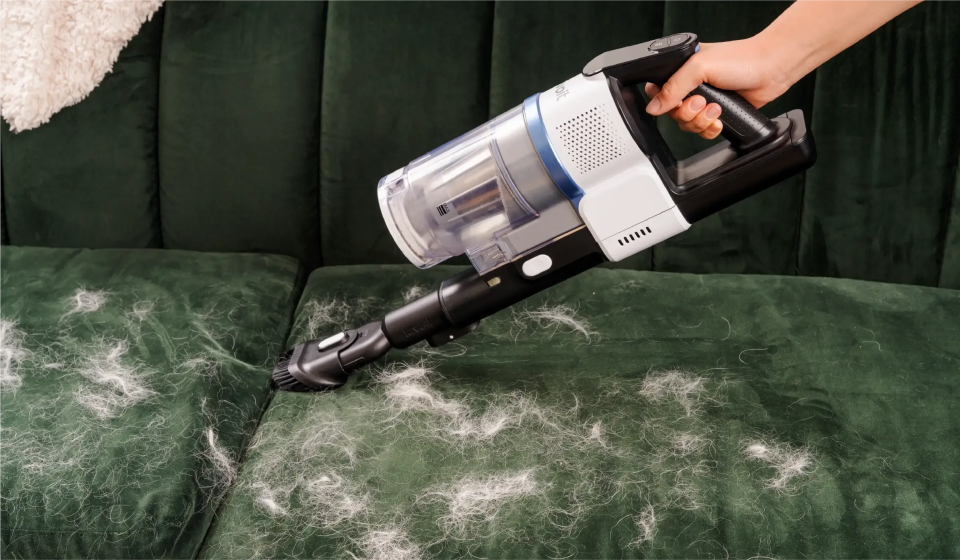
Brush Design & Hair Management
For pet owners and households with long hair, brush roll design is especially important.
Anti-tangle brush systems use specialized combs or teeth to reduce hair wrapping around the roller, minimizing maintenance and improving long-term usability.
This feature alone can save a significant amount of cleaning time over the life of the vacuum.
Floor Type Compatibility
Not every vacuum cleaner performs equally well on all surfaces.
Some models excel on hard flooring but struggle with thick carpets, while others are optimized specifically for carpeted homes.
The best vacuum cleaner for your home should adapt easily to different floor types through adjustable suction levels and versatile attachments.
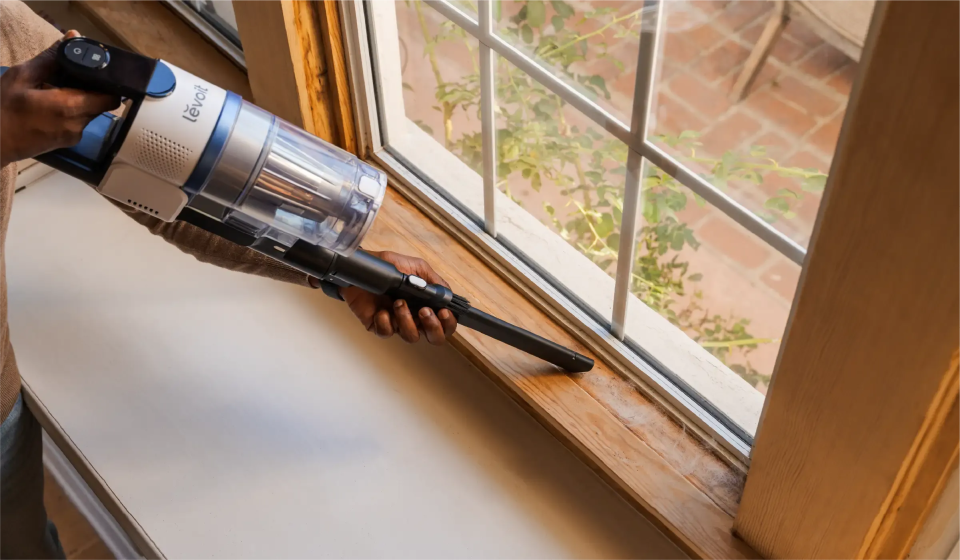
Ability to Reach Tight Spaces
Dust and debris tend to collect in corners, under furniture, along baseboards, and inside narrow crevices.
Vacuums equipped with slim nozzles, flexible hoses, and low-profile cleaning heads can reach these difficult areas more effectively than traditional bulky designs.
If your home contains a lot of furniture or narrow spaces, this feature becomes especially valuable.
Home Size & Cleaning Habits
Your vacuum cleaner should match both the size of your home and your cleaning routine.
Larger homes with multiple floor types typically benefit from higher-capacity models with stronger suction and extended runtime.
Smaller homes or apartments that require frequent quick cleanups are often better suited to lightweight and compact vacuum cleaners that are easy to store and deploy quickly.
What to Look for at a Glance
- Suction power: Choose strong air watt performance with adjustable settings.
- Filtration: HEPA filters effectively capture fine dust and allergens.
- Battery life: For cordless models, aim for 40–60 minutes of runtime.
- Weight: Lightweight models make everyday cleaning easier and more comfortable.
- Noise level: Vacuums under 70dB provide a quieter cleaning experience.
- Brush design: Anti-tangle rollers reduce maintenance, especially for pet owners.
- Floor compatibility: Select a model that adapts well to your floor surfaces.
- Reach: Flexible attachments help clean corners and tight spaces effectively.
- Home size: Match runtime and dust capacity to the scale of your home.
The Best Vacuum Cleaner for You
There is no single vacuum cleaner that works perfectly for everyone. The ideal choice depends on your flooring, home size, pets, lifestyle, and personal cleaning preferences.
A well-selected vacuum cleaner can make cleaning faster, easier, and significantly more efficient, transforming it from a frustrating chore into a seamless part of your routine.
Take time to consider how you clean most often and which features matter most to your daily life. By prioritizing the functions that align with your needs, you'll be able to choose a vacuum cleaner that truly supports your home and lifestyle every day.